
The historical journey of casinos from ancient games to modern gaming empires
Origins of Gambling in Ancient Civilizations
Gambling has roots tracing back to ancient civilizations, where it was woven into the fabric of social and cultural life. The earliest known gambling activities can be found in ancient China, where rudimentary forms of dice games appeared around 2000 BCE. Archaeological findings suggest that these games involved betting on outcomes, revealing an innate human fascination with chance and luck. Similar activities were also prevalent in ancient Egypt, where games of chance were popular among both the elite and common people. In today’s context, we can see how platforms like Roo Casino continue this tradition by providing thrilling games of chance and skill.
In ancient Rome, gambling was widely accepted and integrated into society, with various games being played in public spaces. The Romans introduced betting on gladiatorial contests and chariot races, where spectators could wager on their favorite competitors. This era highlighted the social aspects of gambling, where it served as both entertainment and a means of socializing, further normalizing the practice across different strata of society. The Romans even established laws regulating gambling to maintain order and prevent excessive losses.
As civilizations evolved, so too did the nature of gambling. The emergence of cards in the 9th century in China marked a significant turning point, leading to the development of more structured games that resembled modern card games. This evolution set the foundation for what would eventually become casinos, as organized gambling began to gain traction throughout Europe and beyond during the Middle Ages.
The Rise of Formalized Gambling Venues
The 17th century saw the establishment of formal gambling houses in Europe, marking a significant shift from informal betting to organized gambling establishments. The first official casino, known as the Casino di Venezia, was opened in 1638 in Venice, Italy, and quickly became a popular destination for the nobility. This venue offered a variety of games, including card games and dice, fostering an environment that combined luxury and entertainment, which set a precedent for future casinos.
By the 18th century, the popularity of casinos had spread throughout Europe, with establishments emerging in cities like Paris and Baden-Baden. These venues not only provided gambling options but also sophisticated dining and social activities, transforming the perception of gambling into a glamorous affair. The introduction of games like roulette and baccarat during this period further attracted the elite, turning casinos into social hubs that attracted the wealthy and influential.
This growth in gambling establishments also triggered a regulatory response from governments, as they sought to control the burgeoning industry. By implementing licensing and taxation laws, authorities aimed to curb illegal gambling and protect citizens from the potential harms of addiction. This balance of regulation and entertainment became a defining characteristic of the casino landscape and helped to solidify gambling’s place in society.
Casinos in the 19th and 20th Centuries
The 19th century marked a pivotal moment for casinos, with the establishment of Las Vegas as a gambling capital in the early 20th century. The introduction of legalized gambling in Nevada in 1931 spurred a dramatic transformation, as glitzy hotels and casinos sprang up along the Las Vegas Strip. This period saw the rise of iconic venues like the Flamingo and the Sands, attracting visitors from all over the world and solidifying Las Vegas’s reputation as the entertainment capital of the world.
Meanwhile, the proliferation of casinos across the United States was mirrored by the rise of gaming in Europe. The establishment of Monte Carlo Casino in Monaco became synonymous with luxury and opulence, drawing high rollers and celebrities alike. This era defined the glamour associated with gambling, featuring lavish interiors, world-class entertainment, and high-stakes gaming that appealed to the elite. Casinos became symbols of wealth, decadence, and sophistication, contributing to a perception that gambling was not only a pastime but also an art form.
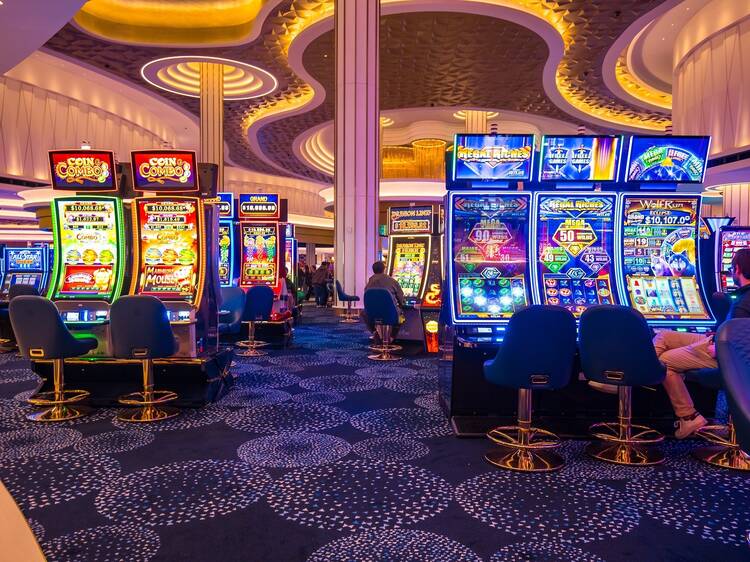
The evolution of technology further changed the landscape of gambling during this time. Innovations in gaming equipment and the introduction of slot machines in the late 19th century transformed casinos, offering players new forms of entertainment. As technology advanced, so did the gaming experience, paving the way for the modern gaming empires we see today, where players have an array of options to choose from.
Transition to Online Casinos
The late 20th century witnessed a digital revolution that transformed many industries, including gambling. The advent of the internet in the 1990s opened the door to online casinos, creating an entirely new platform for players to enjoy their favorite games from the comfort of their homes. Online casinos offered a diverse range of games, from slots to table games, making gambling accessible to a broader audience. This shift marked a significant departure from traditional, land-based casinos, as players could now engage with games any time, anywhere.
The introduction of online casinos brought about significant innovations in gaming technology, including live dealer games that replicate the in-person experience. Players could interact with real dealers via video streaming, combining the convenience of online gambling with the excitement of a physical casino. This evolution has attracted a new generation of players who prefer the flexibility and variety offered by online platforms.
However, the rise of online casinos also raised concerns regarding regulation, safety, and responsible gaming. Governments worldwide began implementing stricter regulations to ensure the security of players and to combat issues related to gambling addiction. This regulatory landscape continues to evolve as the online gambling industry grows, necessitating a balance between innovation and player protection.
The Future of Casinos and Online Gaming
The future of casinos is poised to blend the best of both worlds, merging traditional gaming experiences with cutting-edge technology. Virtual reality and augmented reality are on the horizon, promising to create immersive gaming environments that transport players into fantastical casino landscapes. These technologies could revolutionize the gaming experience, offering players a more engaging and interactive platform while maintaining the allure of physical casinos.
Moreover, the expansion of mobile gaming has made it increasingly convenient for players to gamble on their smartphones and tablets. This growing trend indicates that the demand for gaming is shifting toward portable options, reshaping how casinos operate and market themselves. As operators adapt to this mobile-first approach, they are likely to prioritize user-friendly interfaces and seamless experiences, ensuring players remain engaged.
In conclusion, the historical journey of casinos reflects a dynamic evolution driven by cultural, technological, and social changes. As the gaming landscape continues to transform, it will be fascinating to witness how casinos adapt to the preferences of modern players while retaining the rich traditions that have defined this industry for centuries.
As an example of the evolution within the gaming industry, Roo Casino Australia exemplifies the modern online gaming landscape. Launched in 2019, it provides Australian players with a diverse range of over 5,000 games from more than 45 top-tier software providers. This platform prioritizes user-friendly navigation and security, ensuring players enjoy a safe gaming experience. By offering local payment solutions, 24/7 customer support, and a commitment to responsible gaming, Roo Casino encapsulates the future of gaming, where convenience meets quality and security.
In this digital age, the appeal of online casinos like Roo Casino continues to grow as they adapt to player needs, showcasing the seamless blend of tradition and innovation in the world of gambling. With advancements in technology paving the way for engaging gaming experiences, the future looks promising for players and operators alike, reinforcing the position of casinos as essential parts of entertainment worldwide.