
Tracing the historical evolution of gambling From ancient rituals to modern practices
The Origins of Gambling in Ancient Cultures
The roots of gambling can be traced back to ancient civilizations where it was intertwined with cultural and religious practices. In societies such as Mesopotamia, evidence shows that dice were used in games of chance as early as 3000 BC. These games were often linked to rituals, and the act of casting lots was sometimes seen as a way to communicate with the divine. Today, you might explore how these ancient practices relate to modern platforms like https://careerintravel.co.uk/ that cater to contemporary players.

Similarly, in ancient China, gambling was not merely entertainment but a significant part of social gatherings. The earliest known lottery dates back to around 205 BC, and historical texts indicate that gambling was prevalent in various forms, from card games to betting on military events. These early forms of gambling laid the foundation for the complex systems we see today.
The Evolution Through the Middle Ages
The Middle Ages brought significant changes to gambling practices, especially in Europe. With the rise of chess and card games, gambling became a refined form of entertainment among the elite. The introduction of playing cards, believed to have originated from China and later spread to Europe, transformed the gambling landscape, making it more accessible to the general population.
During this period, gambling faced scrutiny from religious institutions. Many considered it sinful, leading to periods of prohibition and regulation. Nevertheless, despite these restrictions, underground gambling continued to thrive, highlighting the persistent appeal of games of chance across social strata.
The Rise of Modern Gambling Establishments
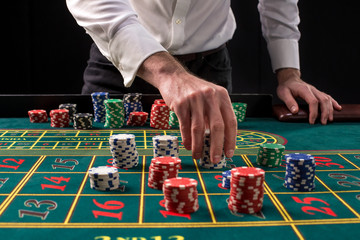
The 17th and 18th centuries marked the establishment of formal gambling venues such as casinos and betting houses. The first official casino, the Ridotto, opened in Venice in 1638, setting the stage for the glamorous establishments we associate with gambling today. These venues offered a variety of games, including roulette and baccarat, catering to the growing appetite for entertainment and chance.
As the 19th century progressed, gambling expanded significantly with the advent of horse racing and state-sponsored lotteries. These practices became widely popular and legitimized gambling as a mainstream activity. This period also saw the rise of the gaming industry, which began to embrace regulation, leading to the development of fair play standards and consumer protection.
Gambling in the Digital Age
The late 20th and early 21st centuries ushered in a technological revolution that transformed gambling once again. The internet enabled the emergence of online casinos, making it possible for players to enjoy a variety of games from the comfort of their homes. This development not only expanded accessibility but also created new business models, including mobile gaming and live dealer experiences.
The rise of celebrity gamblers has also shaped modern gambling culture. High-profile figures often draw public interest and influence trends, contributing to the glamorization of gambling. Today, platforms are designed to cater to diverse preferences, with innovative gaming options and social features, making gambling a communal experience even in a digital space.
Understanding the Current Landscape of Gambling
As gambling continues to evolve, players have access to a multitude of platforms catering to various interests and preferences. With a plethora of international casinos available, users can choose venues that align with their desires for high limits or diverse gaming libraries. Online reviews and insights assist players in navigating this complex environment, ensuring informed choices.
The emergence of non-UK casinos accepting British players offers unique advantages, from attractive bonuses to varied payment options, enhancing the overall gaming experience. This ongoing evolution reflects the adaptability of gambling as it merges tradition with innovation, ensuring its relevance in contemporary society.